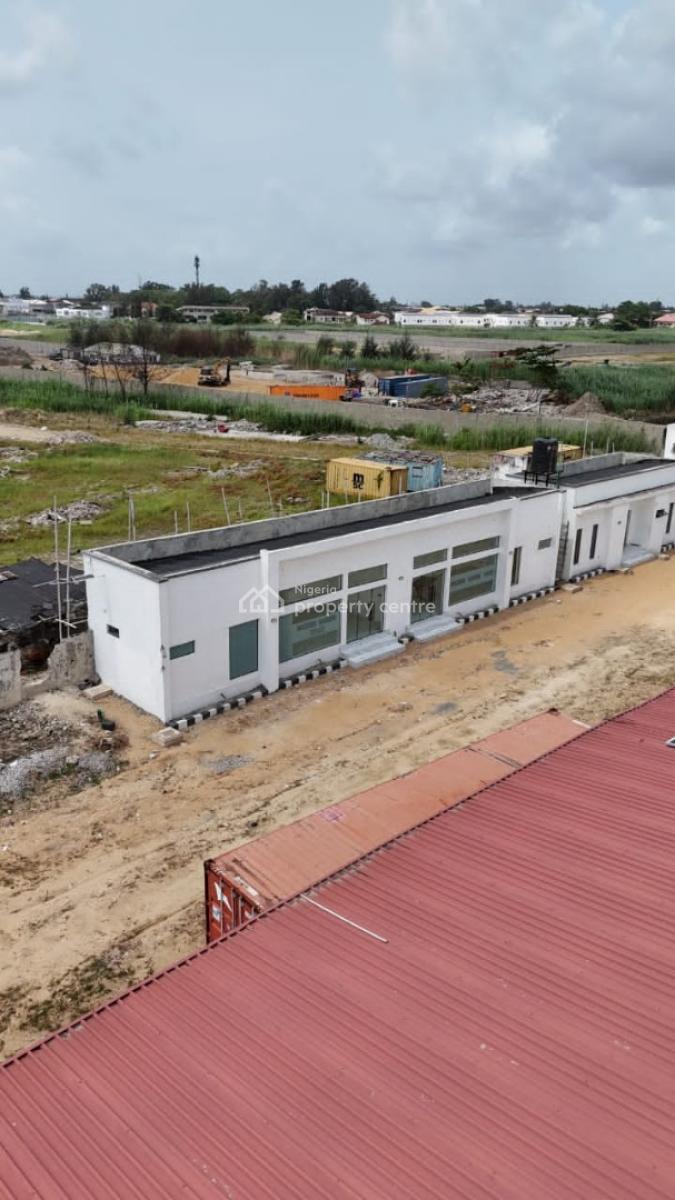
Now selling!!! ninety one residences (cluster 1)
for months, we've shared the vision... the architecture... the intentional design behind every detail. now, the wait is officially over
ninety one residences --- prices now live
3-bedroom terrace with bq
lekki peninsula scheme 2
title: governor's consent
flexible payment plan available
secure your unit with just a 40% initial deposit in this premium development. ️ pre-launch offer available on limited units only. located in one of lekki's fastest-growing residential hubs, this development is perfectly positioned for:
- long-term rental income
- short-let / airbnb returns
- strong capital appreciation
key location advantages:
ojaja mall
nashville international school
urban prime estate
abraham adesanya axis
mother & child hospital
coastal road access
easy access to beachside developments
the first release always offers the best value. now that pricing is out... the next move is yours...
Lagos is a port and the most populous city in Nigeria. It is the second fastest-growing city in Africa and the seventh in the world. The population of Lagos according to the Lagos State Government, was 17.5 million. These figures are however disputed by the Nigerian Government and judged unreliable by the National Population Commission of Nigeria. The latest reports estimate the population at 21 million, making Lagos the largest city in Africa.
Lagos is a metropolitan area which originated on islands separated by creeks, such as Lagos Island, fringing the southwest mouth of Lagos Lagoon while protected from the Atlantic Ocean by long sand spits such as Bar Beach, which stretch up to 100 kilometres (62 miles) east and west of the mouth. From the beginning, Lagos has expanded on the mainland west of the lagoon and the conurbation, including Ikeja (which is the capital of Lagos) and Agege, now reaches more than 40 kilometres (25 miles) north-west of Lagos Island. Some suburbs include Ikorodu, Epe and Badagry, and more local councils have recently been created, bringing the total number of local governments in Lagos to 57.