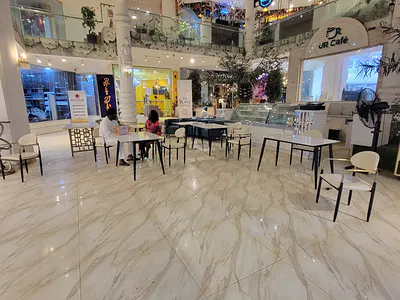

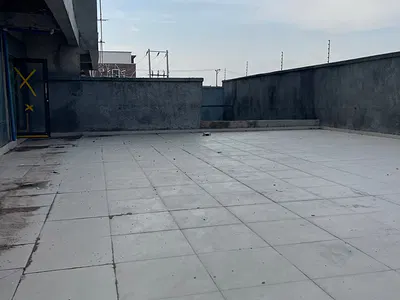
The average price of furnished restaurants / bars for rent in Abuja is ₦13,000,000 per annum. The prices vary by location, size and features and range from ₦7,500,000 to ₦70,000,000 per annum. There are 5 available furnished restaurants / bars for rent in Abuja, Nigeria. The restaurants / bars have been listed by estate agents who can be contacted using the contact information provided for each restaurant / bar listing. The list can be filtered by price, furnishing and recency.
*to-let*
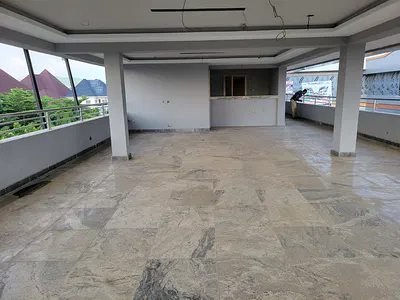
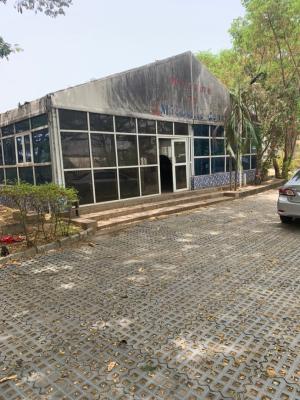
a semidetached open duplex with 3 rooms bq.(over 300sqm)
" ideal for corporate office, bank, supermarket and pharmacy"
*location:* kado estate
*rent:* #35m p.a payable for 2years
professional fees ap...
*for lease*
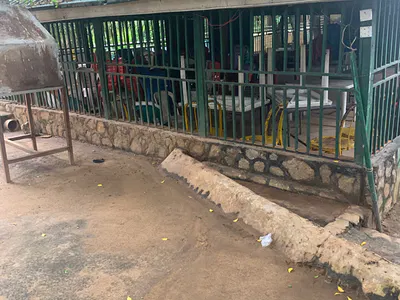
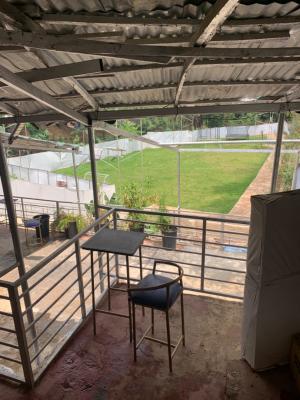
a functional garden measuring about 1hectare is available for lease. can be used for events, lounge, restaurants etc..
location: gudu expressway
*rent:13m x 3years*
or *10m × 5 years*
agency: 20%..
inspection is strictly with the client, inspection fee ...
Restaurant to let
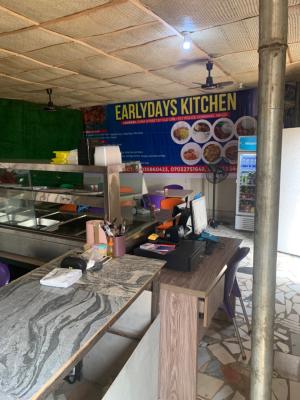
*a very spacious restaurant space with fridges, air conditioners, ample parking space, in a well secured tarred and serene environment with a large kitchen and staff room is available for rent*
*: kado by jahi district, abuja*
*rent: ₦10m x 1 year*
*₦7.5m x 2 years*
caution deposit: ₦500k
service charge: tbd
agency and legal: 20%
inspection fee: applies
*note: owner will provide a personal meter for the tenant*
#v(t)e...
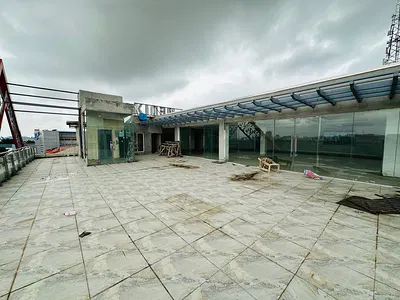
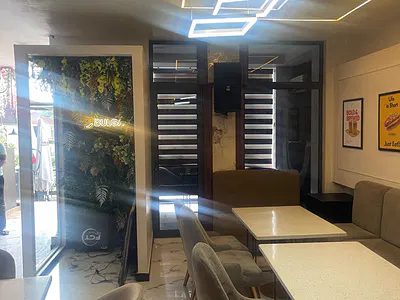
This apartment... is available for rent.... location:wuse 2 by ademola adetokumbo crescent wuse 2.... good for lounge/club restaurant,seat out, office space,just for commercial purposes.. 2nd floor.... price.. 20m p. a.... call if you are interested for det...
₦20,000,000 per annum
Mobile Point Properties Ltd
08120917096
Share this
The average price of furnished restaurants / bars for rent in Abuja is ₦13,000,000 per annum. The prices vary by location, size and features and range from ₦7,500,000 to ₦70,000,000 per annum.
About Abuja, Nigeria
Abuja is the capital city of Nigeria. It is located in the centre of Nigeria, within the Federal Capital Territory (FCT). Abuja is a planned city, and was built mainly in the 1980s. It officially became Nigeria's capital on 12 December 1991, replacing Lagos, which is still the country's most populous city. At the 2006 census, the city of Abuja had a population of 776,298, making it one of the top ten most populous cities in Nigeria. The unofficial metropolitan area of Abuja is well over three million, which would make it the fourth largest urban area in Nigeria only surpassed by Lagos, Kano and Ibadan.