
Shared Flats for Rent in Abuja Price range ₦20,000,000 and below
Quick Filters
Bedrooms Subtypes Areas Areas
- Abaji|
- Apo|
- Asokoro District|
- Bwari|
- Central Area Phase 2|
- Central Business District|
- Cultural Zones|
- Dakibiyu|
- Dakwo|
- Dape|
- Dei-Dei|
- Diplomatic Zones|
- Duboyi|
- Durumi|
- Dutse|
- Gaduwa|
- Galadimawa|
- Garki|
- Gudu|
- Guzape District|
- Gwagwalada|
- Gwarinpa|
- Idu Industrial|
- Ija|
- Institution and Research|
- Jabi|
- Jahi|
- Jikwoyi|
- Kaba|
- Kabusa|
- Kado|
- Kafe|
- Kagini|
- Karmo|
- Karsana|
- Karshi|
- Karu|
- Katampe|
- Kaura|
- Kpeyegyi|
- Kubwa|
- Kuje|
- Kukwaba|
- Kurudu|
- Kwali|
- Kyami|
- Life Camp|
- Lokogoma District|
- Lugbe District|
- Maitama District|
- Mbora (Nbora)|
- Mpape|
- Nyanya|
- Okanje|
- Orozo|
- Utako|
- Wumba|
- Wuse|
- Wuse 2|
- Wuye
- Abuja Kaduna Zaria Expressway|
- Airport Road|
- Brains and Hammers Estate|
- Centage Estate|
- Citec Estate|
- Cooperative Estate|
- Efab Estate|
- Estates|
- Fafu Estate|
- Faplins Estate|
- Fynestone Estate|
- Godab Estate|
- Gwarimpa Estate|
- Kafe Garden Estate|
- Kings Park Estate|
- Kingstown Estate|
- Peace Court Estate|
- Platinum City Estate|
- Prince and Princess Estate|
- Same Global Estate|
- Southend Estate|
- Suncity Estate|
- Sunnyvale Estate|
- Verizon Estate|
- Villa Nova Estate|
- Wonderland Estate
8
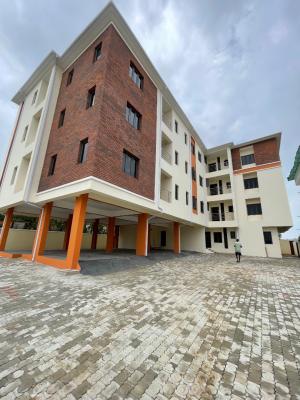
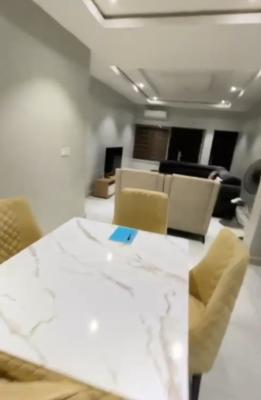
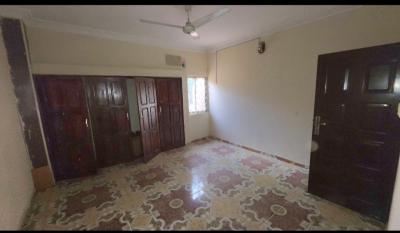
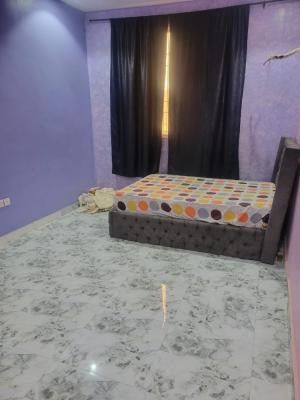
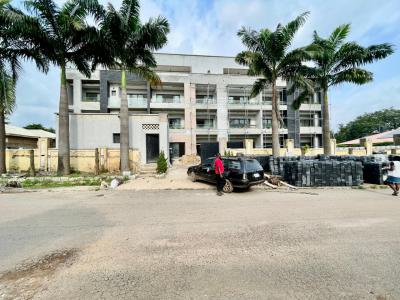
1 bedroom flat / apartment for rent
News Engineering ., Dawaki, Gwarinpa, Abuja ₦1,600,000 per annum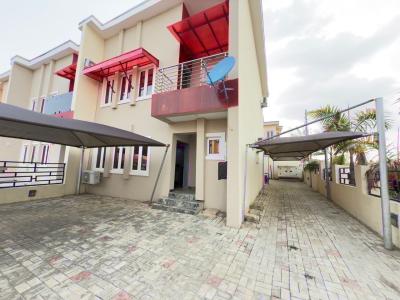
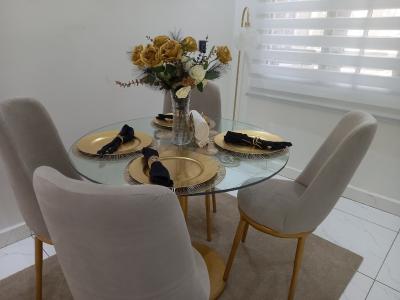

What is the average price of shared flats for rent in Abuja?
The average price of shared flats for rent in Abuja is ₦4,000,000 per annum.
What is the price of the most expensive shared flats for rent in Abuja?
The price of the most expensive shared flats for rent in Abuja is ₦48,000,000 per annum.
What is the price of the cheapest shared flats for rent in Abuja?
The price of the cheapest shared flats for rent in Abuja is ₦1,000,000 per annum.
How many shared flats for rent in Abuja are available?
There are 8 available shared flats for rent in Abuja.
You can view and filter the list of property by price, furnishing and recency.