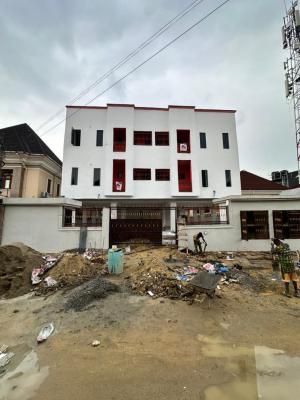
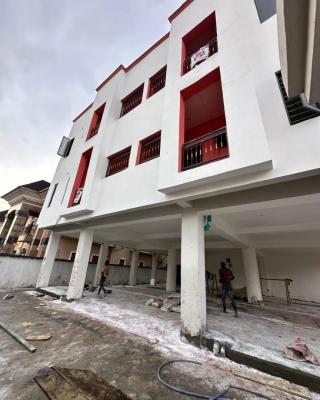
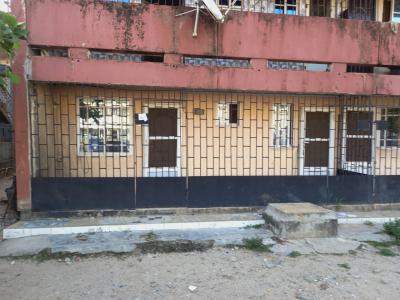
2 Bedroom Unfurnished Flats in Festac, Amuwo Odofin, Lagos
There are 4 available 2 bedroom furnished flats in Festac, Amuwo Odofin, Lagos, Nigeria. The flats have been listed by estate agents who can be contacted using the contact information provided for each flat / apartment listing. The list can be filtered by price, furnishing and recency.
Description - fully furnished brand new 2 bedroom flat / for sale
title document - c of o
price - 2 bedroom 85m
location - amuwo odofin
dm for more information and inspect...
*semi direct brief for sale in festac town lagos*
2 bedroom single balcony flat (government built with 1toilet and 1bath)on the last floor (flat15) h1 close,5th avenue, festac town lagos.
*tenancy expires end of this december*
*letter of administration yet to be done*
*price:₦30m*
no pictures ple...
Executive and spacious brand new 2 bedroom flat upstairs and downstairs located in a serene and secured estate good road and steady light
kindly call or whatsapp 8139565955 for more details and inspection tha...
*for rent in festac town lagos:*
spacious 2 bedroom flat (upstairs). *location:- 21 road, festac town, lagos. *
*rent:- ₦2. 8million per annum. *
total package:- ₦3. 7million
*dealing with the semi direct agent*
*please kindly request for vid...
₦2,800,000 per annum
Mccardis International Co
08033227878
Share this
About Festac, Amuwo Odofin, Lagos
Festac is a Federal Housing Estate in Lagos state, Nigeria. It is located along the Lagos-Badagry Expressway in Lagos State, Nigeria. The name Festac was derived form the acronym FESTAC, which stands for Second World African Festival of Arts and Culture that was held there in 1977. Festac town, originally referred to as "Festival Town" or "Festac Village", is a residential estate designed to house the participants of the Second World Festival of Black Arts and Culture of 1977 (Festac77).
The Nigerian government invested substantial sums of money and resources into building Festac Town, which sported state of the art electrical generators, police and fire stations, access to public transportation, supermarkets, banks, health centres, public restrooms, and postal services. The village was therefore intended to evoke the modern age and the promise of state-sponsored economic development fueled by oil revenues.