

Nigeria Property Centre
3 Bedroom Detached Bungalow — Behind Aminu Kano Teaching Hospital, Kano, Kano
1 Video
₦5,000,000 /yr

Detached bungalow for rent

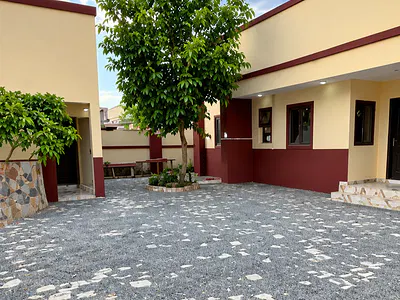
3 Bedroom Detached Bungalow

Rent alart. Stand alone. Location: Family Homes City Estate, Behind Aminu Kano Teaching Hospital, Kano. Features: - 3 Bedrooms en-suite - 1 Parlour - 4 Toilet - Kitchen with Cabinet - Secure & Serene Environment - Borehole water - Security room Rent fee: 5 Million Agency Fee: 10% Inspection Fee Charges Apply

Behind Aminu Kano Teaching Hospital, Kano, Kano
3 beds 4 baths 4 toilets
Abs Triplex Properties Services

Showing 1–1 of 1 property

Area Guide

About Kano, Nigeria

Kano state is a state in north-western Nigeria. Its capital city is Kano. The state was created on 27th May, 1967 from part of the Northern Region, Kano state borders Katsina State to the north-west, Jigawa State to the north-east, Bauchi and Kaduna states to the south. The state originally included Jigawa State which was made a separate state in 1991. Kano state has 44 local government areas.

The major ethnic groups in the state are Hausa and fulani. Kano State is the second largest industrial center in Nigeria and the largest in Northern Nigeria with textile, tanning, footwear, cosmetics, plastics, enamelware, pharmaceuticals, ceramics, furniture and other industries. Others include agricultural implements, soft drinks, food and beverages, dairy products, vegetable oil, animal feeds etc.

Property glossary

What is a detached bungalow?

A detached bungalow is a single-storey house that stands on its own plot and shares no walls with any neighbour. It is the most common family house in many Nigerian towns and suburbs, and is often built first with a view to adding an upper floor later.

Read more in our glossary Last checked 13 October 2026
FAQ

Frequently asked questions

There are 1 available 3 bedroom detached bungalows in Kano. You can view and filter the list of property by price, furnishing and recency.

A detached bungalow is a single-storey house that stands on its own plot and shares no walls with any neighbour. It is the most common family house in many Nigerian towns and suburbs, and is often built first with a view to adding an upper floor later.