

Nigeria Property Centre

Detached Bungalows in Giri, Gwagwalada, Abuja

There are 1 houses for sale and rent in Giri as of 9 Nov 2026. Every listing is posted by an estate agent or developer you can contact directly — filter by price, type, furnishing and recency to find the right home.

3 Bedrooms Bunalow and a Self Contain BQ — Gwako, Behide City View Estate, CKC Extension, Plot No 16, Giri, Gwagwalada, Abuja
8
₦30,000,000

Detached bungalow for sale

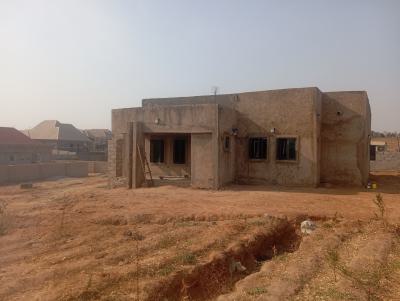
3 Bedrooms Bunalow and a Self Contain BQ

A modern and spacious 3-bedroom bungalow with a self-contain BQ, still under construction, located in Gwako, Gwagwalada, just along Giri Road. The property sits behind City View Estate and is only 1-minute drive from the expressway, offering excellent accessibility. Property Features: 3-bedroom bungalow + self-contain BQ C of O for the land Electricity and water board already connected pop and tiling yet to be completed---perfect for buyers who want to finish to their own taste Located in a secure, peaceful, and rapidly developing environment Price: ₦30,000,000 only This is a great opportunity to own a home in a fast-developing and highly desirable area. For enquiries or inspection, contact us today! 08136565674 Or 09036208065

Gwako, Behide City View Estate, CKC Extension, Plot No 16, Giri, Gwagwalada, Abuja
4 beds 4 baths 5 toilets 4 Parking
Breezy Tech

Showing 1–1 of 1 property

Property glossary

What is a detached bungalow?

A detached bungalow is a single-storey house that stands on its own plot and shares no walls with any neighbour. It is the most common family house in many Nigerian towns and suburbs, and is often built first with a view to adding an upper floor later.

Read more in our glossary Last checked 19 October 2026
FAQ

Frequently asked questions

There are 1 available detached bungalows in Giri, Gwagwalada, Abuja. You can view and filter the list of property by price, furnishing and recency.

A detached bungalow is a single-storey house that stands on its own plot and shares no walls with any neighbour. It is the most common family house in many Nigerian towns and suburbs, and is often built first with a view to adding an upper floor later.