

Nigeria Property Centre

Detached Bungalows for Sale in Duboyi, Abuja

There are 1 houses for sale in Duboyi as of 12 Nov 2026. Every listing is posted by an estate agent or developer you can contact directly — filter by price, type, furnishing and recency to find the right home.

Get alerts for this search You'll get alerts for this search

We'll email you when a new listing matches Detached Bungalows for Sale in Duboyi, Abuja.

Alert on Manage alerts
Old 4 Bedrooms Bungalow — Prince and Princess Estate, Duboyi, Abuja
18
₦228,500,000

Detached bungalow for sale

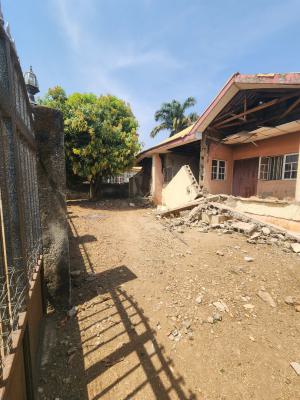
Old 4 Bedrooms Bungalow

This right here is an old, extra spacious fully detached bungalow in the popular and high value Prince and Princess estate. Complemented by standard infrastructure and a beautiful, serene neighborhood, this property can either be remodelled to a more modern bungalow or rebuilt as a fully detached duplex. Approval for conversion to a fully detached duplex has already been obtained. Kindly send a Dm for more info

Prince and Princess Estate, Duboyi, Abuja
4 beds 4 baths 5 toilets 6 Parking
Real North Projects

Showing 1–1 of 1 property

Area Guide

About Duboyi, Abuja

District is a district located in Abuja FCT, Nigeria. Duboyi district is bounded by the following adjoining districts in phase II: Gaduwa, Kaura and Durumi. Also, the district is bounded by Ring Road 2 (RR2) and the Inner southern transitway.

Property glossary

What is a detached bungalow?

A detached bungalow is a single-storey house that stands on its own plot and shares no walls with any neighbour. It is the most common family house in many Nigerian towns and suburbs, and is often built first with a view to adding an upper floor later.

Read more in our glossary Last checked 19 October 2026
FAQ

Frequently asked questions

There are 1 available detached bungalows for sale in Duboyi, Abuja. You can view and filter the list of property by price, furnishing and recency.

A detached bungalow is a single-storey house that stands on its own plot and shares no walls with any neighbour. It is the most common family house in many Nigerian towns and suburbs, and is often built first with a view to adding an upper floor later.