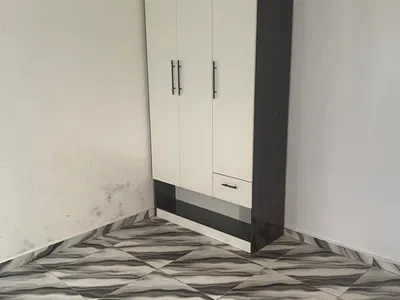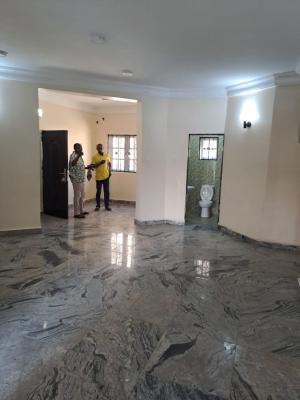

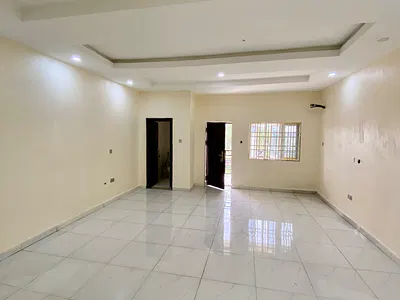
The average price of 3 bedroom flats for rent in Gaduwa, Abuja is ₦6,000,000 per annum. The prices vary by location, size and features and range from ₦5,000,000 to ₦7,500,000 per annum. There are 7 available 3 bedroom flats for rent in Gaduwa, Abuja, Nigeria. The flats have been listed by estate agents who can be contacted using the contact information provided for each flat / apartment listing. The list can be filtered by price, furnishing and recency.
Rent alert
spacious 3 bedroom block of flat with bq located at gaduwa, abuja.
it's located in a very nice estate.
gaduwa district
( tarred access road )
rent: 6.5million
caution: 500k
s/c: 500k
legal : 10%
agency : 10%
tarred road
band a electricity
serene estate
spacious compo...
Luxury spacious 3 bedroom apartment
all rooms are ensuite with guest toilet and spacious bedrooms and fitted kitchen with modern facilities
price -6million
service charge -680,000(compound cleaning, security, car wash, security and maintenance)
agency and legal 20%
refundable caution 600,...
*to let*
*property description*
a unit of 3-bedroom flat within a block of 6-flats within a fenced and gated premises
*location*: gaduwa district (tarred road).
*rent*: 5million per annum
*service charge*: 400k
*caution deposit*: 300k (refundable)
*agency fee*: 10% of rent (500k)
*legal fee*: 10% of rent (500k)
grand total ---- n6,700,000
inspection fee ...
Property description: spacious 3 bedroom flat on the ground floor.
location: gaduwa district (tarred road).
rental value: 7,500,000
service charge: to be determined by the estate management.
agency fee: 10% of the rent
legal fee: 10% of the rent
inspection fee ...
The average price of 3 bedroom flats for rent in Gaduwa, Abuja is ₦6,000,000 per annum. The prices vary by location, size and features and range from ₦5,000,000 to ₦7,500,000 per annum.
Find out more
About Abuja, Nigeria
Abuja is the capital city of Nigeria. It is located in the centre of Nigeria, within the Federal Capital Territory (FCT). Abuja is a planned city, and was built mainly in the 1980s. It officially became Nigeria's capital on 12 December 1991, replacing Lagos, which is still the country's most populous city. At the 2006 census, the city of Abuja had a population of 776,298, making it one of the top ten most populous cities in Nigeria. The unofficial metropolitan area of Abuja is well over three million, which would make it the fourth largest urban area in Nigeria only surpassed by Lagos, Kano and Ibadan.